A coastline guide by Anmol Gulati — 200+ weddings documented across India and abroad, and India’s No.1 by the Reportage Awards.
The photographs people keep from a beach destination wedding are almost never the ones they planned. At Sofitel Bahrain it was a woman holding her daughter — who was wearing her mother’s own Banarasi saree, the one she had married in — while behind them the Gulf went flat and silver. Nobody had scheduled that.
That is what a beach destination wedding in India or abroad actually buys you. Not a backdrop. A horizon no decorator can build, light that does half the work before anyone lifts a camera, and a day loose enough that the real things have somewhere to happen.
We have photographed weddings on three coastlines Indian couples keep returning to — Goa, Krabi and Bahrain. They are not interchangeable. Each one quietly decides something different about your day: who can realistically come, how late it runs, and which ten minutes you will still be describing in a decade. Here is the honest version of all three, including the parts the brochures leave out.
Goa — the one you can drive to. Goa is where most Indian beach wedding plans begin, and it has earned that. No visas, real infrastructure, flights from everywhere — the practical case makes itself.
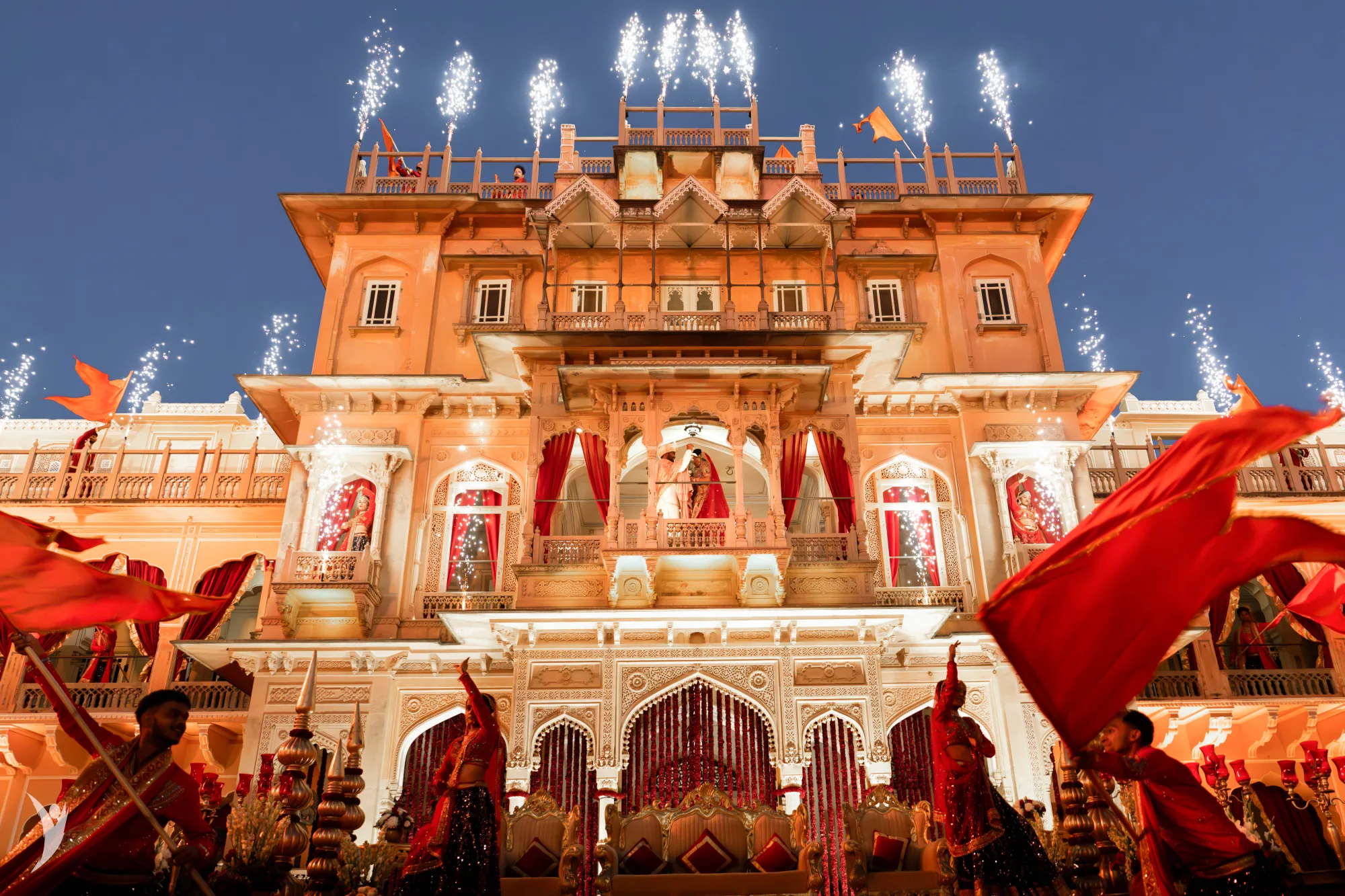
But practicality is not the reason to choose it. The reason is what happens after dark. We have never photographed a coastline that slides so easily from a barefoot ceremony into a party nobody wants to end — black-tie by ten, sparklers at midnight, an after-party no one admits to having planned. At Talin and Gaurangi’s wedding at The St. Regis Goa, the dance floor did not ask permission.
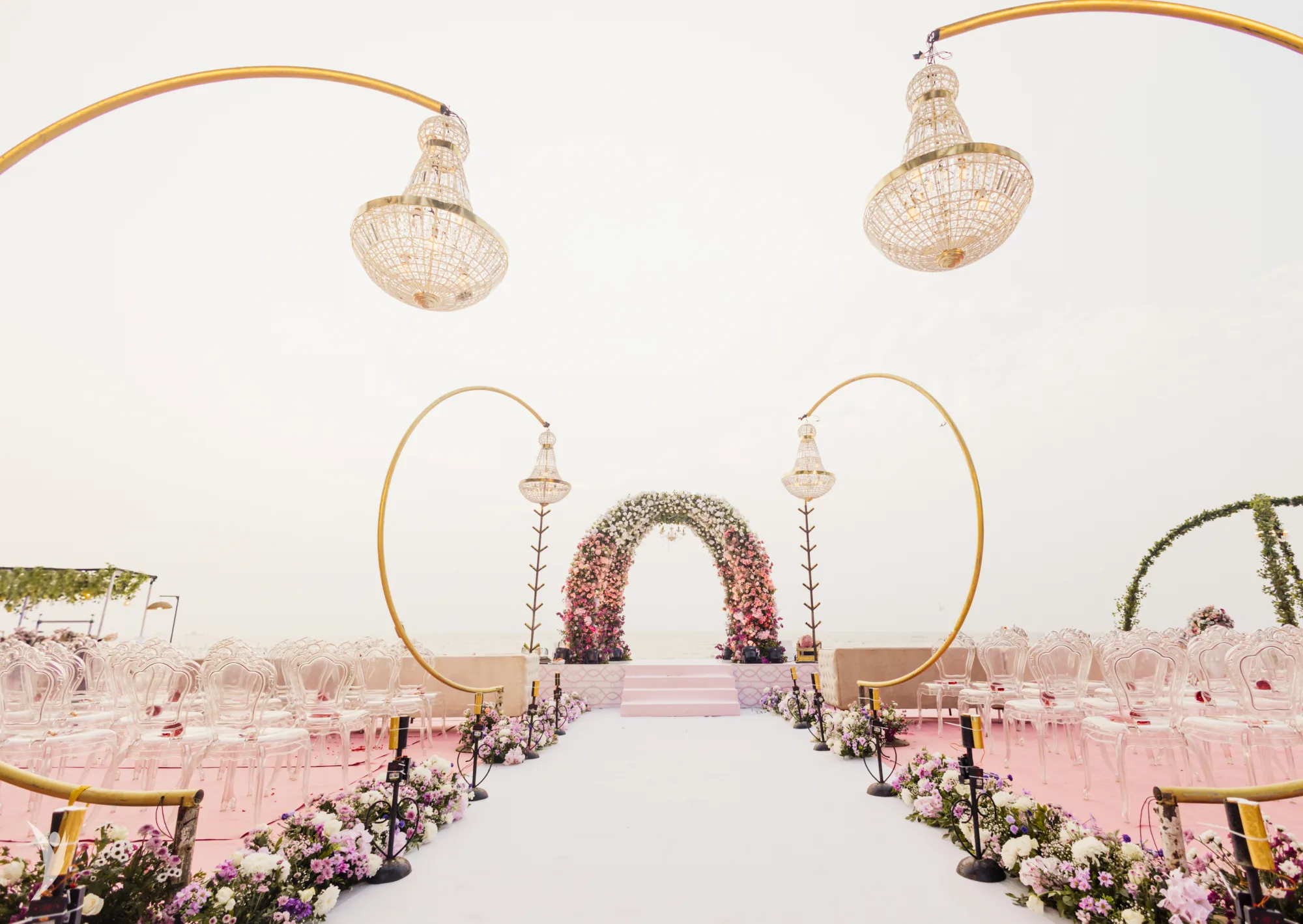
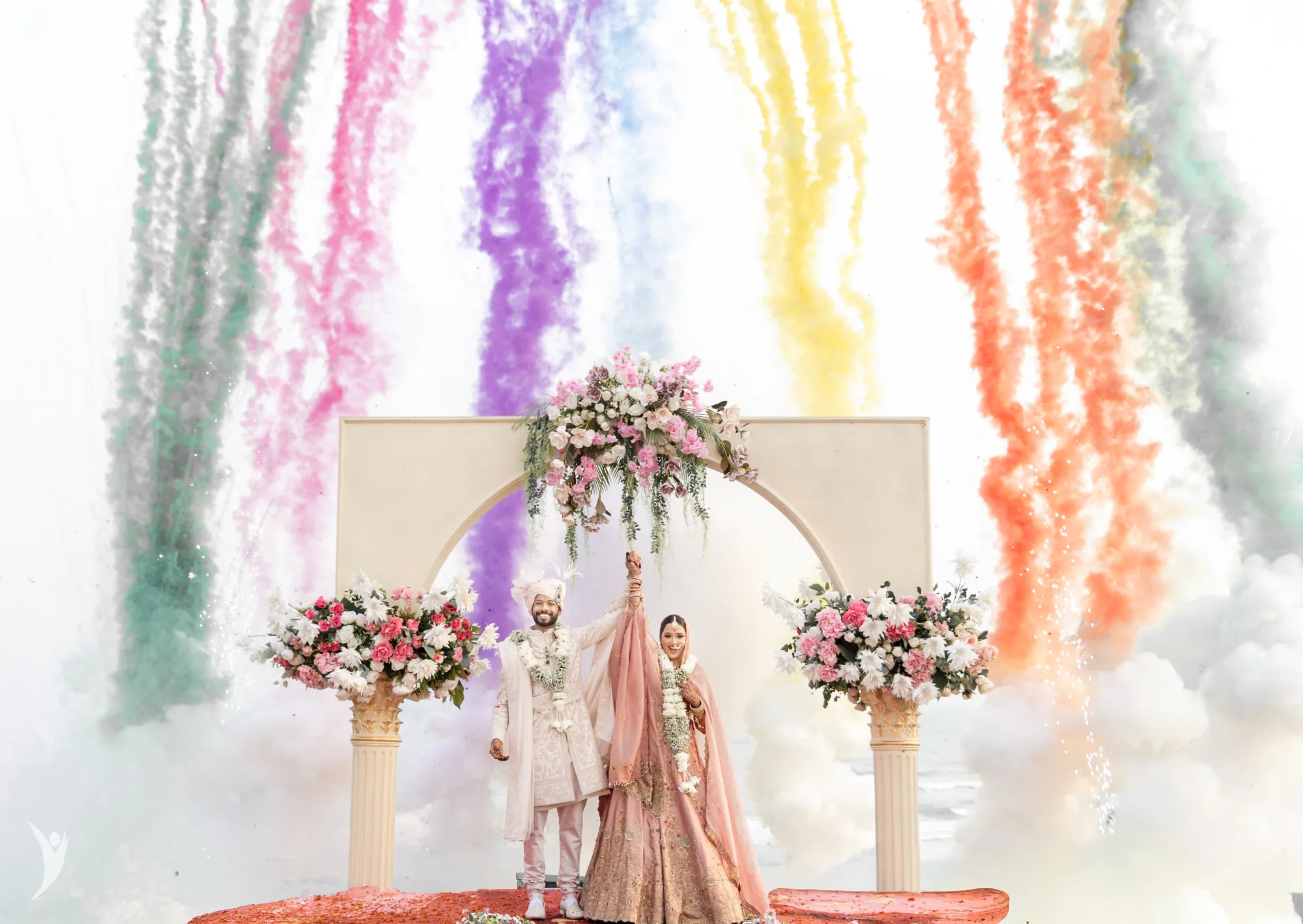

The tell is always the same: nobody keeps their shoes on. By four in the afternoon the sand is in the attire, in the car, in the photographs. The couples who love Goa most are the ones who stopped fighting that early.

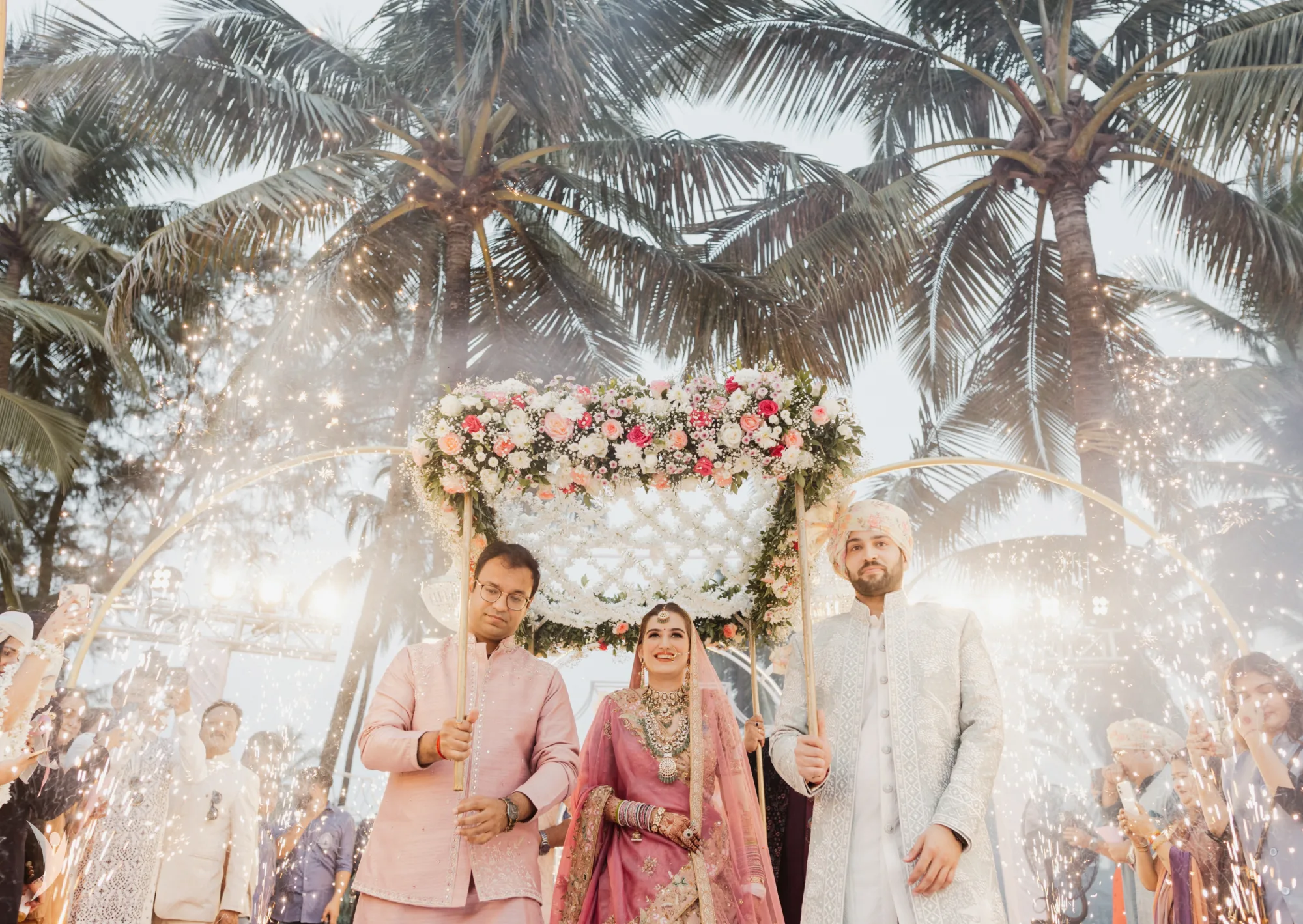
Goa gives you the party. Krabi gives you the view. Bahrain gives you the logistics.
Krabi, Thailand — the one that feels furthest from home. Krabi gives you something no Indian coastline can. Limestone islands rise straight out of the water, close enough to sit in the frame behind your mandap — the view couples screenshot and send to their mothers before they have checked a single price.
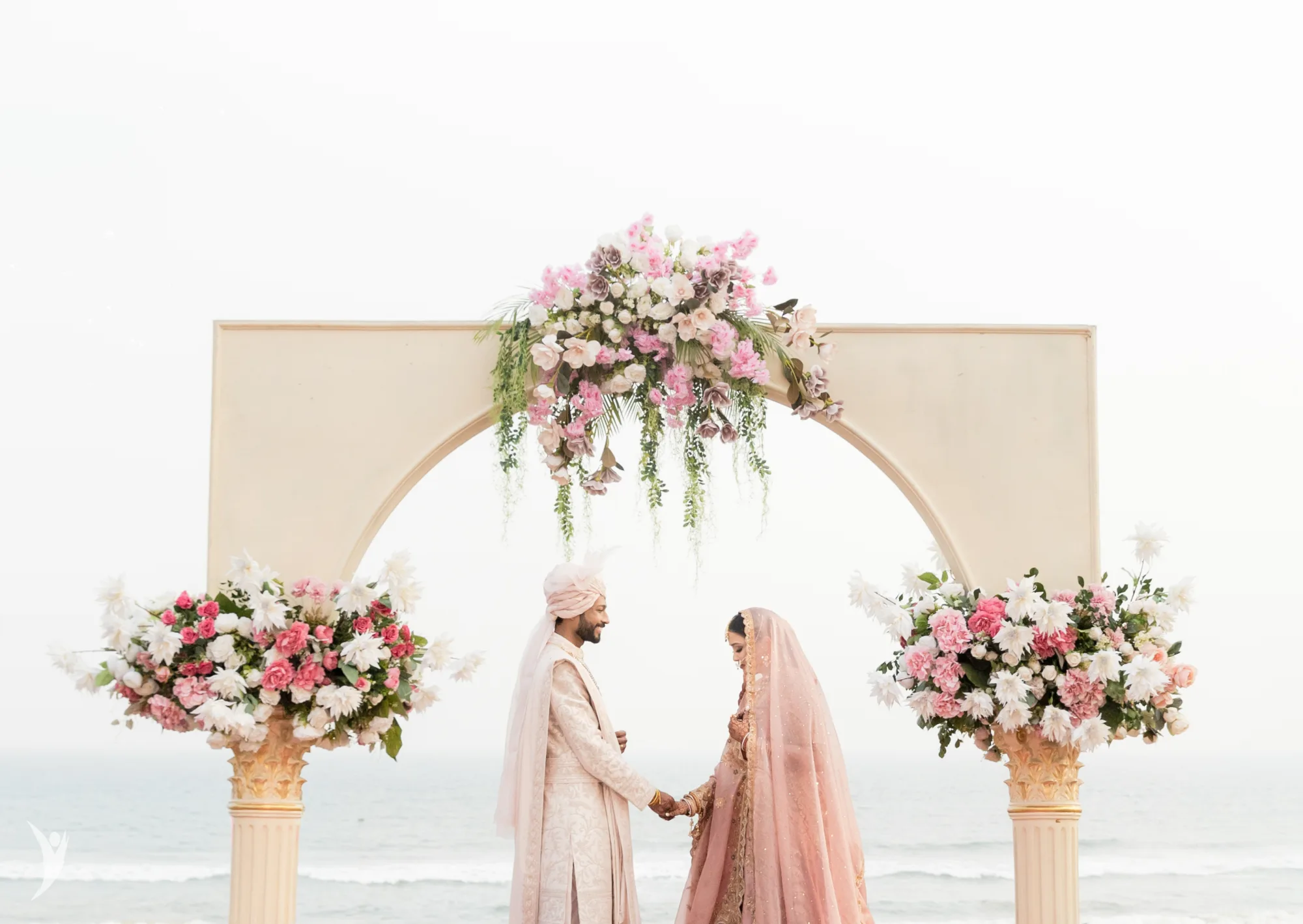
It is also easier than it looks: visa on arrival, direct flights, resorts that have run Indian weddings for years. Beenum and Amar married under a floral arch by the sea at Sofitel Krabi, their vows read from an open book, a saxophone playing them back down the aisle through a corridor of friends.
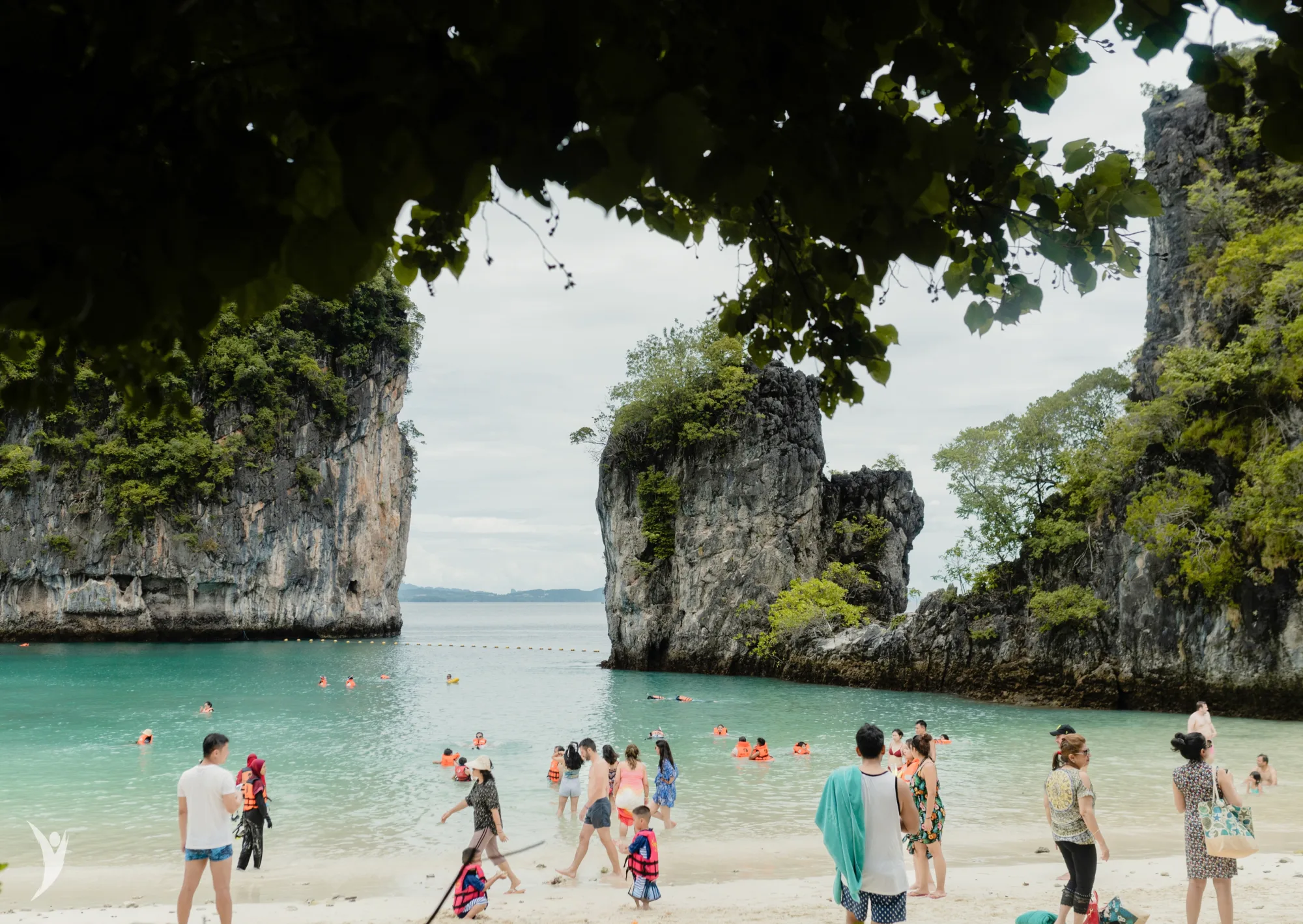
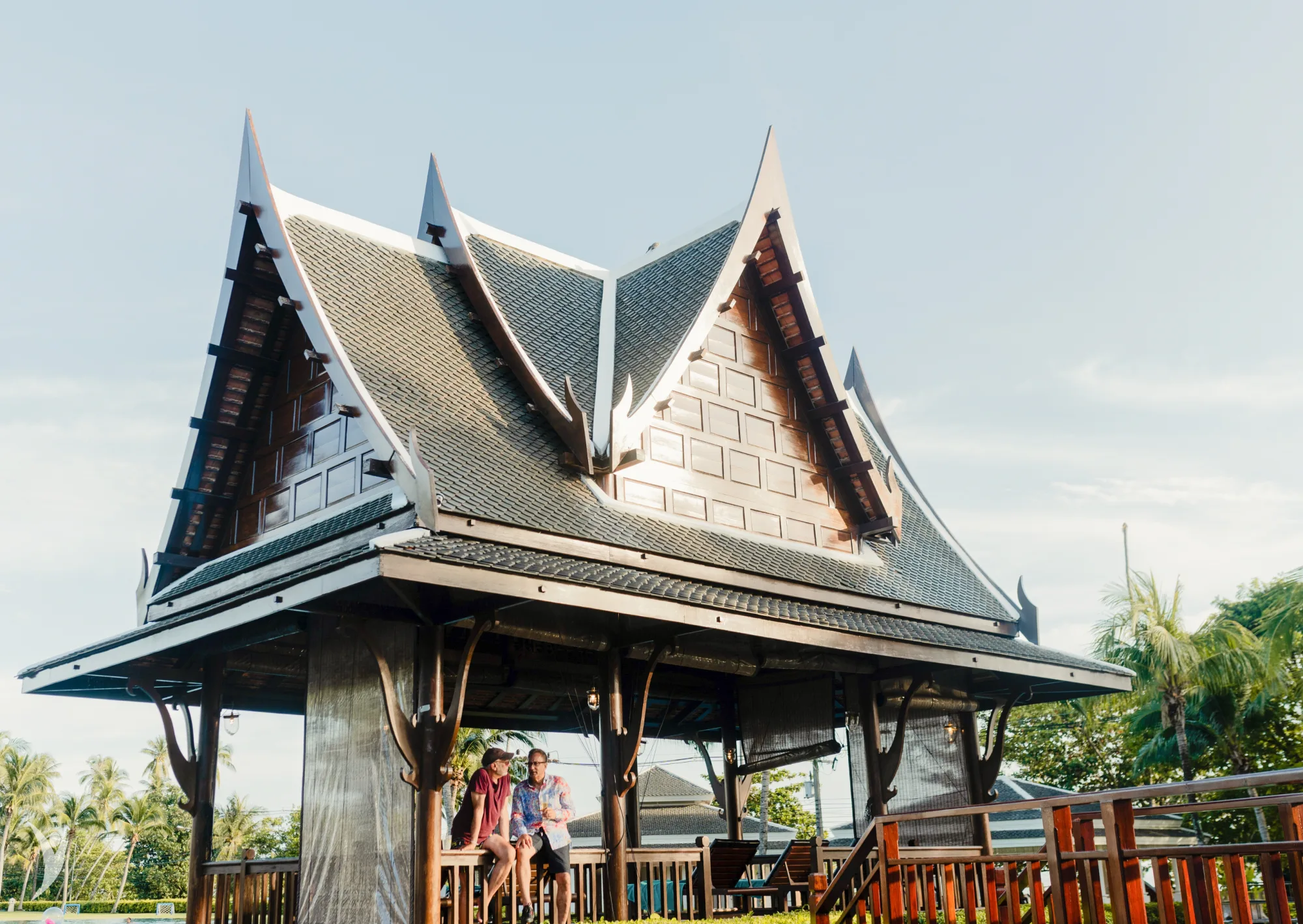
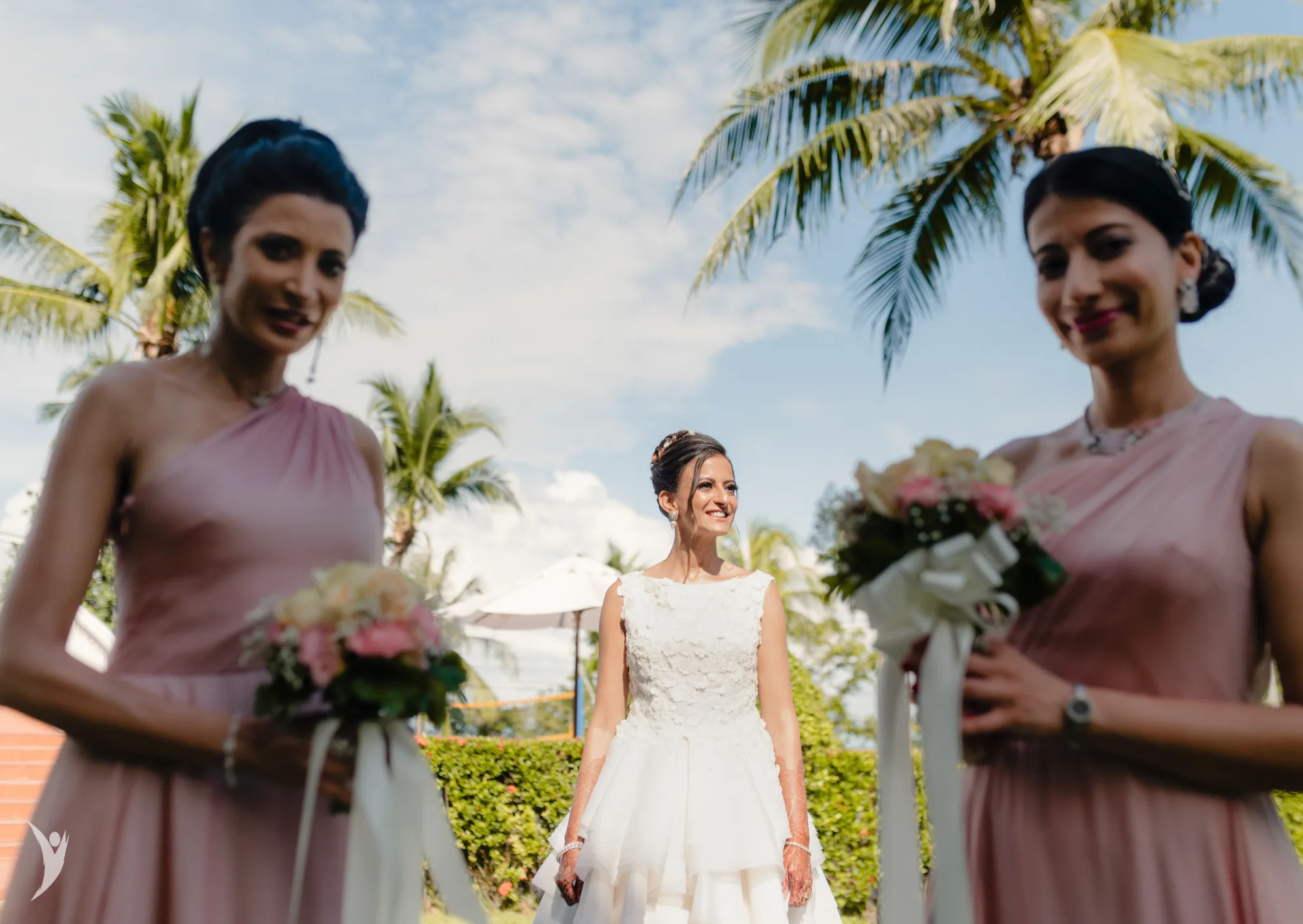
Expect daylight. The islands are the reason you came, and they vanish at dusk. Krabi also lets you hold a smaller wedding without it feeling like a compromise, which is why more of the couples we meet now marry here and keep the big celebration at home. Goa is the coastline that rewards staying up; this is the one that rewards looking around.
Bahrain — the one NRI families ask about. Bahrain is the least obvious of the three and, for a certain kind of family, the most sensible. If half your guest list already lives in the Gulf, this is the coastline that spares everyone a long-haul flight — and the beach wedding venues here are built for large Indian guest lists in a way smaller resorts simply are not.
Jessal and Sampriti married on open lawn at Sofitel Bahrain Zallaq, under a wooden mandap with nothing between it and the water. An MC walked the guests through the meaning of every ritual, so that nobody — however far they had travelled — missed what was happening in front of them. Then the pheras, with the sea filling every frame.
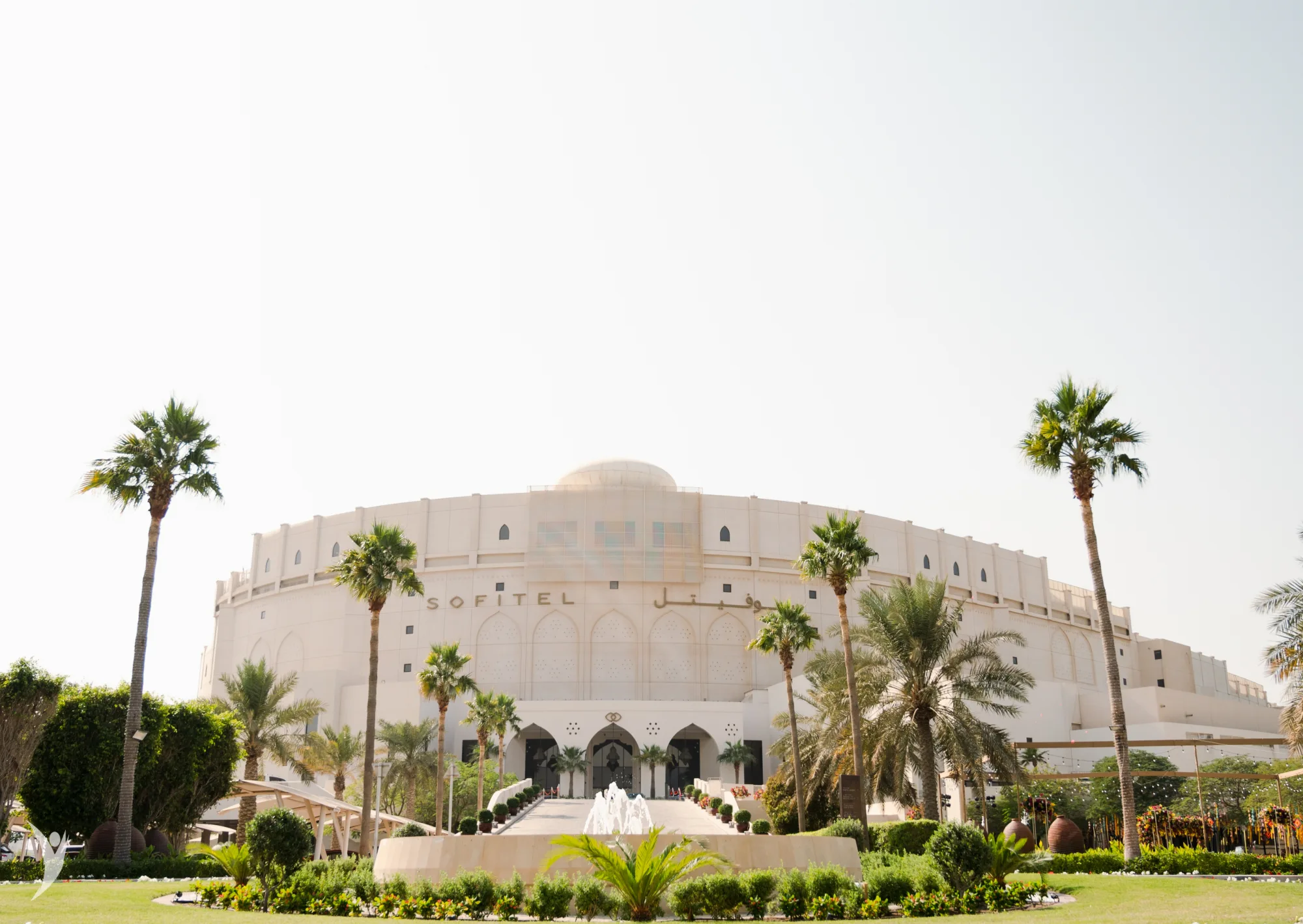
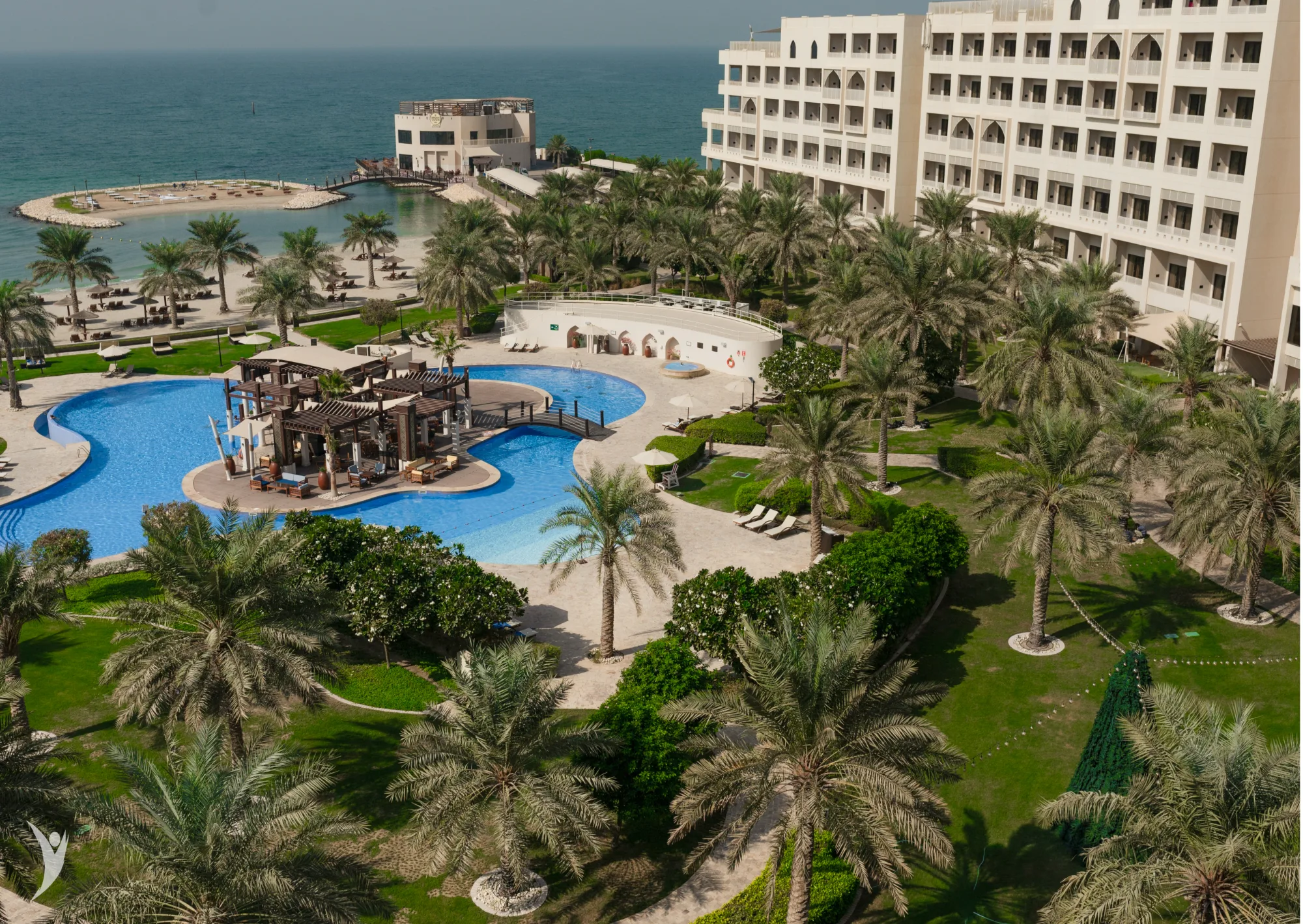
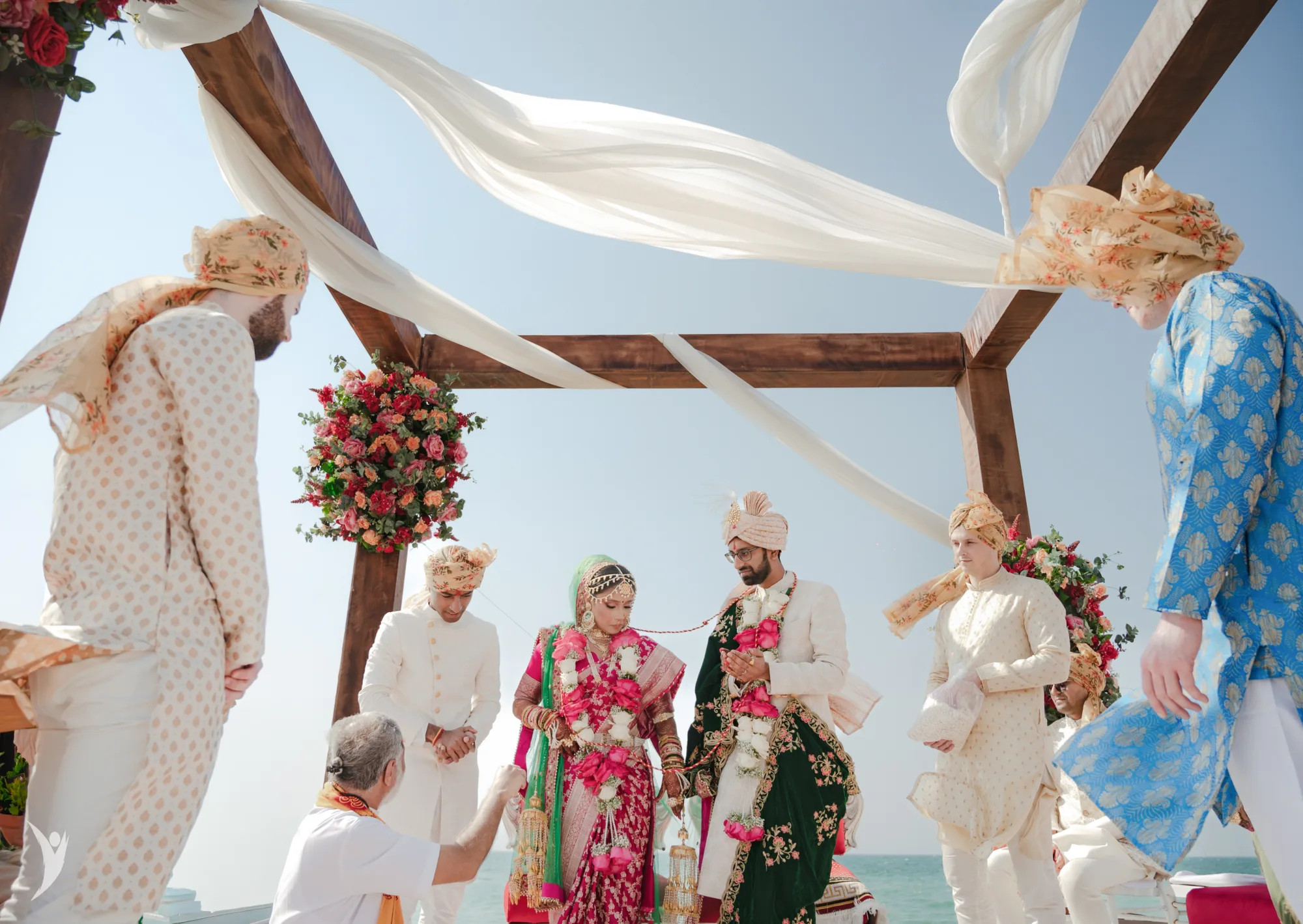
The drapes never stop moving here. We learned to shoot it wide and let the wind be part of the picture rather than something to wait out.

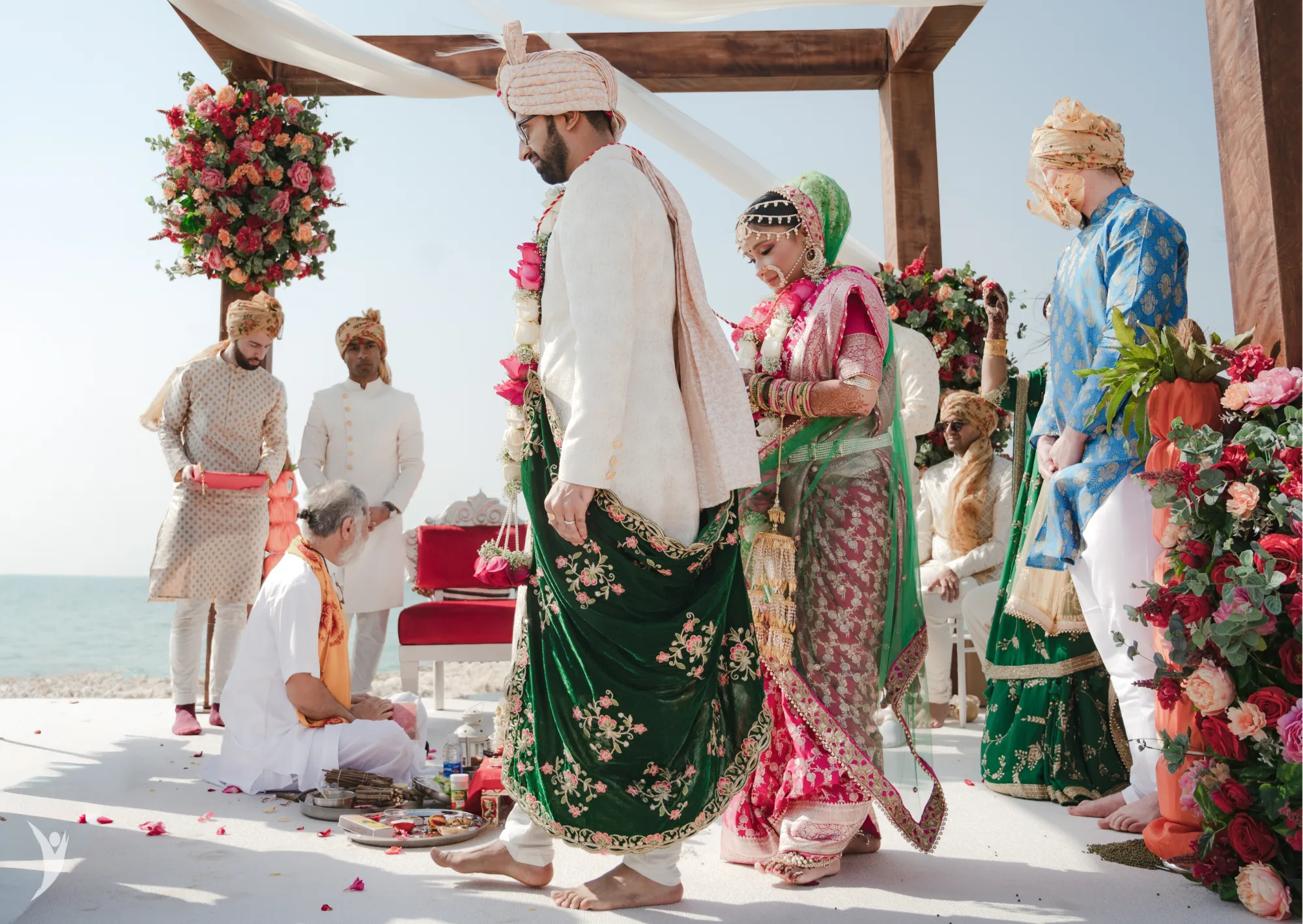
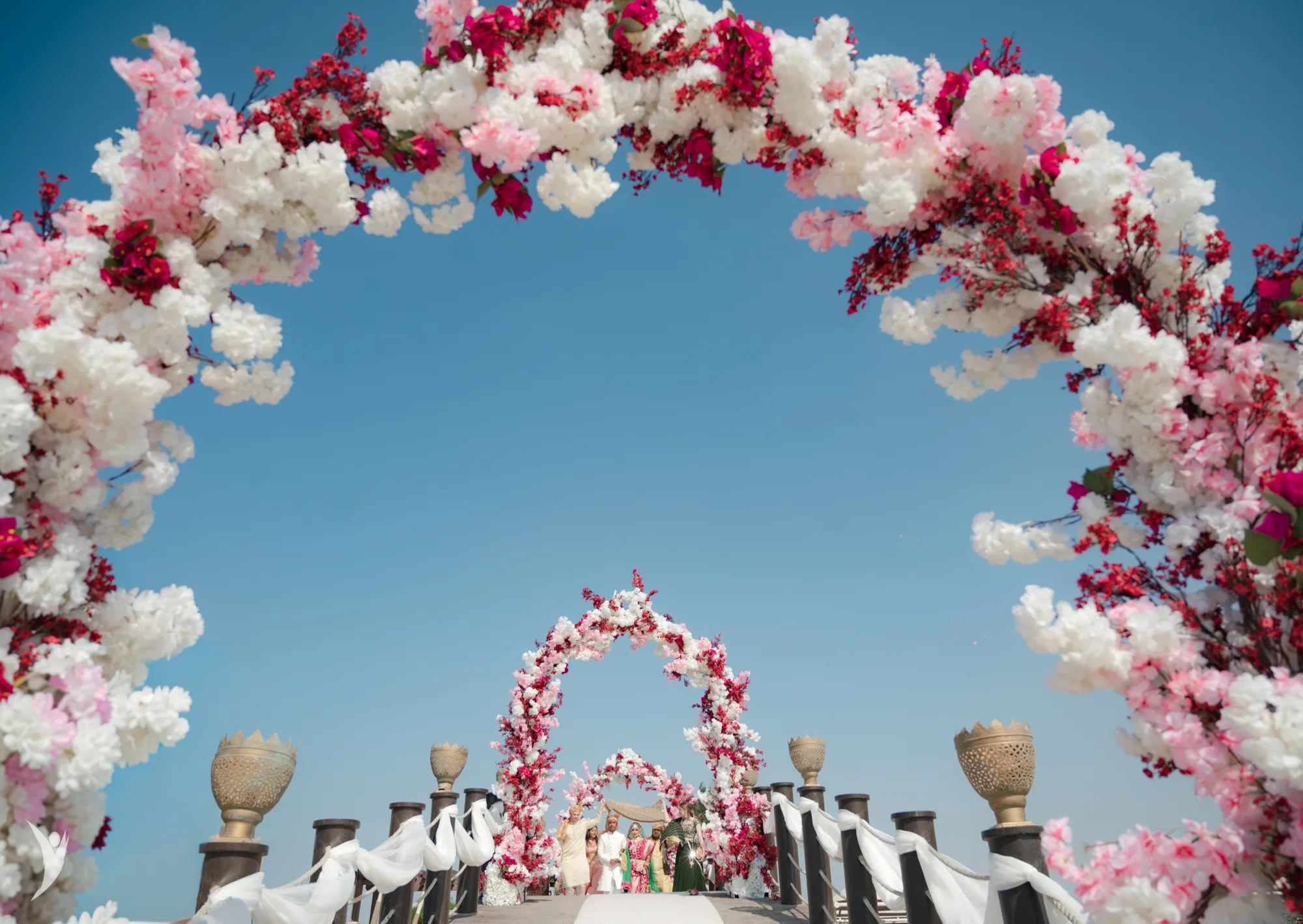
What a beach wedding actually asks of you. Every coastline here is worth it. None of them is effortless, and a photographer who has stood on all three in the wrong month at the wrong hour owes you the version the brochures skip.
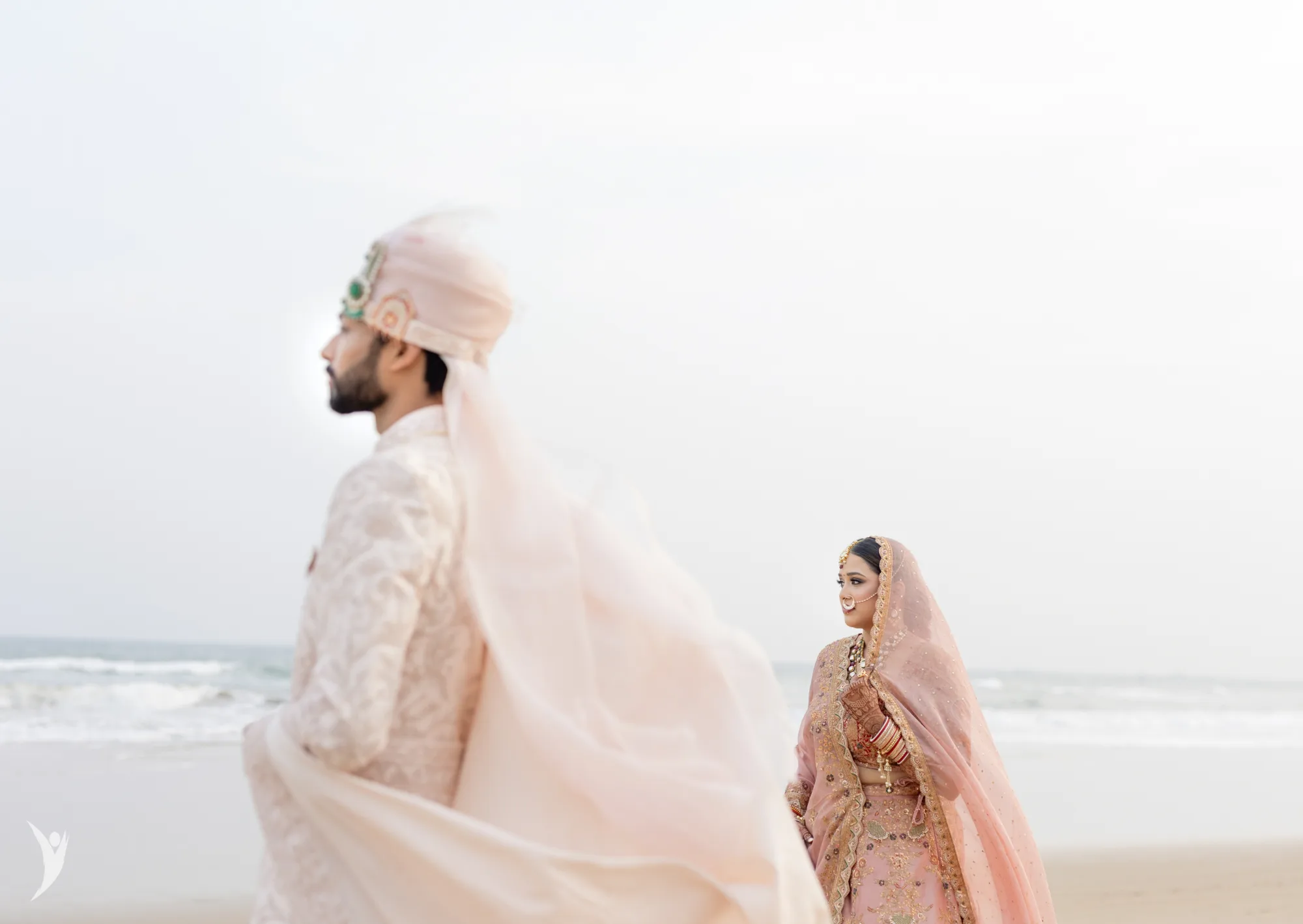
The wind is not optional. It will take the veil, the dupatta, the printed menus and the florist’s patience. Plan the hair for it, weight the stationery, and accept that the best frame of the day is often the one the wind made. We stopped treating it as a problem years ago — it is exactly the kind of unposed frame we are there for.

The light is brutal at noon and perfect at six. A midday ceremony on open sand gives you hard shadows and squinting guests; the hour before sunset gives you everything. If the muhurat allows it, move. One hour of timing is worth more than any amount of decor, and it is the cheapest upgrade available to you.
And build shade in. Fans, parasols, a tent edge for the elders. Guests who are comfortable stay for the dancing. Guests who have sat in direct sun since two o’clock are gone by dinner — and no photograph can hide an empty floor.
Also worth knowing. When couples ask us for the best beach wedding destinations beyond these three, the same names keep coming up — coastlines we have not yet photographed, but would: Kerala, for backwaters and a quieter, greener kind of coast; the Andamans, for water that genuinely looks like the pictures; and Sri Lanka, Phuket and Mauritius for couples who want the scale of a resort wedding further afield. We would happily travel for any of them.
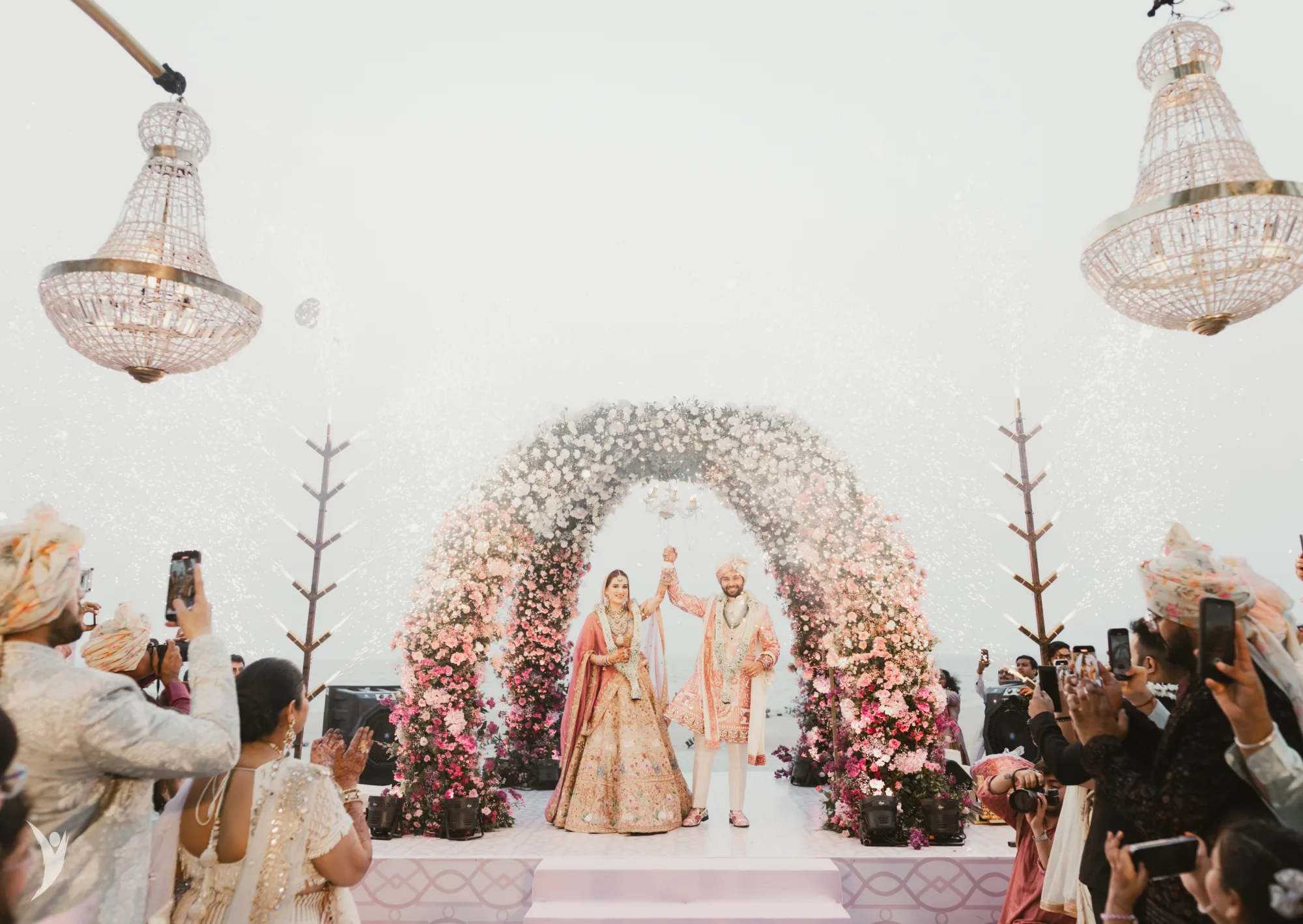
Wherever the water is, the wedding is still the wedding — the hands, the fire, the mother at the edge of the frame. The sea only makes it harder to look away.
So choose the coastline that fits the day you actually want. Goa for the night that will not end. Krabi for the view you will never stop describing. Bahrain for the family that can finally all be in one room. As a destination wedding photographer in India and abroad, we will meet you at any of them.